
The Making of a Disciplined Artist
Death in VeniceThis flow follows the tension between Aschenbach’s lifelong achievement through discipline and the weakening of that discipline during his Venetian obsession.
increasing Bearing strength in each event
 decreasing
Bearing strength in each eventdecreasingA Family of Contrasts

A Family of Contrasts
Inherited temperaments
Aschenbach descends from a family associated with public duty and severity, while his mother brings a more sensuous artistic inheritance. His career emerges from the tension between these qualities.
The basis of his art
The combination helps explain why disciplined control and intense feeling coexist in his work. That balance will be tested when private desire begins to escape the forms that once contained it.
The Frail Young Writer
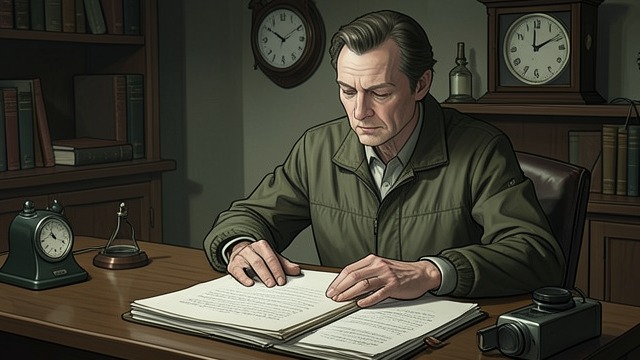
The Frail Young Writer
A vulnerable constitution
Ill health keeps Aschenbach from ordinary schooling and makes him aware of his limited physical reserves. He learns early that talent alone cannot carry him through sustained work.
Effort as a method
He answers weakness with discipline, building a life around regular labor. The method produces achievement but also establishes self-denial as the price he expects himself to pay.
The Daily Labor

The Daily Labor
Craft through repetition
Aschenbach works in concentrated morning sessions and revises his writing in small, persistent increments. The finished scale of his books conceals the fragility and repetition of their construction.
A public ideal
His labor is praised as stamina, although it depends on careful management of limited energy. The achievement embodies his belief that weakness can be mastered by will.
A Classic Style
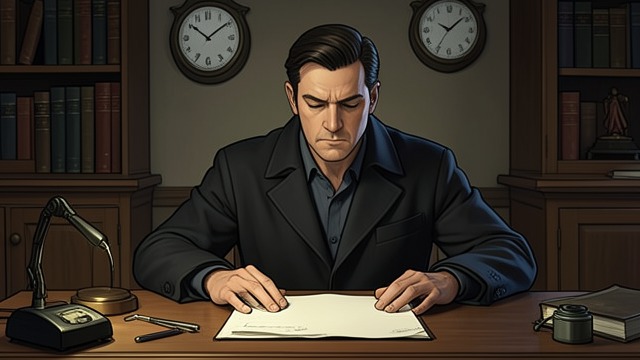
A Classic Style
Discipline becomes form
Aschenbach’s later writing favors composure, polish, and controlled expression. Public recognition confirms the value of the style he has cultivated.
A hidden cost
The settled manner also avoids the roughness and uncertainty of earlier work. Formal mastery may represent artistic maturity, but it risks excluding the emotional disturbance that renews creation.
Control Gives Way

Control Gives Way
Work displaced
In Venice, Aschenbach no longer measures his days by writing. He organizes them around the possibility of seeing Tadzio and lets idleness replace his former schedule.
Discipline redirected
His powers of attention remain strong, but serve fixation rather than art or self-command. The change reveals how a disciplined life can be undermined when its will attaches itself to desire.
During the account of Aschenbach’s background
During the account of his early career
In Aschenbach’s mature working years
After his rise to public honor
During his weeks at the Lido
